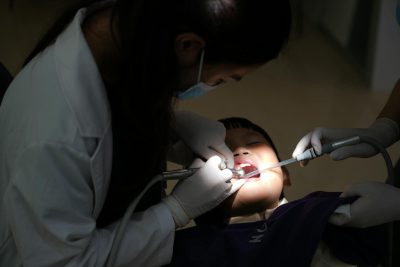
 Personalized care in family dentistry respects your story. It treats you, not a chart. When you visit a dentist in Sunnyvale who knows your health history, daily habits, and fears, you get care that fits your life. That kind of care leads to fewer surprises, less pain, and more trust. It also helps your children grow up without fear of the chair. Instead, they see visits as routine care that protects their teeth and gums. Personalized care means your dentist plans treatments that match your budget, schedule, and goals. It means honest talk about what you eat, how you brush, and what you can change today. Over time, this steady and focused approach cuts dental emergencies. It also strengthens your family’s health and confidence. Personalized care does not add extras. It removes guesswork and gives each person in your home a clear path to stronger teeth.
How Personalized Care Works For Your Family
Personalized dental care starts with listening. Your dentist asks clear questions. You share your story. You talk about pain, money, time, and fear. Nothing is too small.
Then your dentist builds a simple plan. The plan is based on three things.
- Your health history
- Your daily habits
- Your goals for your smile
This plan changes as your life changes. A new baby. A job change. A new medicine. Each shift can affect your teeth and gums. Personalized care tracks these changes and adjusts your care.
Why One-Size-Fits-All Care Falls Short
Standard care often treats every mouth the same. You get the same advice and the same schedule. Your dentist may miss early warning signs that are unique to you or your child.
Personalized care does three key things that standard care often skips.
- Finds small problems early before they turn into pain
- Targets your real risks such as diet, dry mouth, or grinding
- Respects your limits so you can follow through
This approach reduces stress. It also gives you a clear sense of control.
What Research Shows About Personalized Dental Care
The science of oral health supports a personal approach. Different people have different risks for cavities and gum disease. Age, diet, smoking, chronic illness, and income all play a role.
The Centers for Disease Control and Prevention reports that children from lower-income homes have more untreated cavities than children from higher-income homes. Personalized care helps close that gap. It can focus on fluoride, sealants, and coaching that match your family’s needs and resources.
The National Institute of Dental and Craniofacial Research explains that tooth decay is a process over time. This means steady, tailored habits and visits can stop or slow decay before it causes pain.
Personalized Care Versus Standard Care
The table below compares common parts of standard care with a more personal approach.
| Care Feature | Standard Family Care | Personalized Family Care
|
|---|---|---|
| Visit Schedule | Same every six months for each person | Adjusted based on risk, age, and health history |
| Home Care Advice | General tips for brushing and flossing | Specific guidance based on your habits and skills |
| Cavity Prevention | Fluoride and cleanings for all | Targeted use of fluoride, sealants, and diet changes |
| Fear and Anxiety | Basic reassurance during visits | Planned steps such as shorter visits and comfort tools |
| Cost Planning | Visit by visit billing | Clear, staged plan that respects your budget |
| Chronic Conditions | Same care as others | Care tied to issues like diabetes or pregnancy |
Benefits For Children
Children respond strongly to how adults act. When your child sees that the dentist knows their name, story, and fears, they feel safe. That trust leads to three big gains.
- Less fear and fewer skipped visits
- Stronger brushing and eating habits at home
- Lower risk of cavities and infections
Personalized care for children may include shorter visits, slower steps, or visits that focus only on getting used to the office. The goal is simple. Your child should feel heard and safe.
Benefits For Adults And Older Adults
Adults face different pressures. Work stress. Caregiving. Money. Many adults put off dental visits until pain forces a visit. Personalized care can break this pattern.
For adults, a personal plan can
- Match visit times with work or school schedules
- Stage treatment to reduce sudden large bills
- Account for medicines that dry the mouth or weaken gums
Older adults may have dentures, implants, or trouble with hand strength. A tailored plan can focus on simple tools and clear steps that protect comfort and function.
How Personalized Care Reduces Emergencies
Dental emergencies often start as small problems. A tiny crack. A mild ache. A sore gum. Without early care, these grow into intense pain or infection.
When your dentist knows your story, they can spot risk early. They can suggest quick steps that fit your life. You might add one more cleaning each year. You might use a night guard. You might switch to toothpaste.
This steady attention often means
- Fewer urgent visits
- Less missed work or school
- Lower total cost over time
Building A Strong Partnership With Your Dentist
Personalized care works best when you take an active role. You do not need special knowledge. You only need to share honest details and ask clear questions.
At your next visit, you can start with three simple steps.
- Share any new health changes and medicines
- Talk about what makes visits hard, such as fear, money, or time
- Ask for a written plan with short-term and long-term goals
This kind of open talk may feel uncomfortable at first. Yet it gives your dentist the facts needed to protect your health.
Taking The Next Step For Your Family
Personalized care is not fancy. It is careful, human, and steady. It treats each person in your home as unique. It respects your limits and your hopes.
When you choose this kind of care, you give your family three lasting gifts. Fewer dental surprises. More control over health and cost. Stronger trust between your family and your dentist.