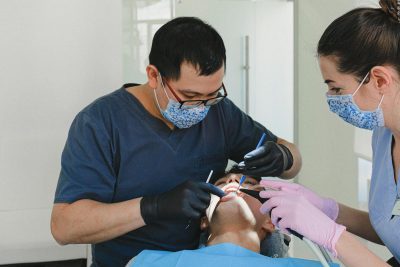
 You spent real money and trust on veneers, crowns, or whitening. Now you want them to last. Preventive care protects your work and keeps your mouth strong. It is not extra. It is the shield that guards your teeth, gums, and dental work from damage, stains, and pain. Every day, plaque, grinding, and small chips threaten your smile. Regular cleanings, exams, and simple home habits stop small problems from turning into fractures or decay under your restorations. That means fewer emergencies, fewer replacements, and less fear in the chair. A dentist in Indianapolis sees how fast neglect can destroy careful work. You deserve better than that. With steady care, your veneers keep their shine. Your crowns stay tight and strong. Your whitening stays bright. You keep control of your health, your comfort, and your money.
Why Restorations Need Protection
Veneers, crowns, and whitening change how you look and feel. They also place clear duties on you. Each treatment has limits. You can push past those limits if you skip care.
Here is what threatens them.
- Veneers face stain at the edges, small chips, and decay in the tooth under the shell.
- Crowns face decay at the gum line, cracks from grinding, and loose cement from sticky foods.
- Whitening fades with dark drinks, tobacco, and poor brushing.
These problems grow in silence. You may feel fine while decay grows under a crown. You may not see a stain at the edge of a veneer until it spreads. Preventive care catches these early. That keeps repair simple and less costly.
What Preventive Care Really Means
Preventive care is not fancy. It is steady, plain habits done every day and every year.
At home, you need three basics.
- Brush twice a day with fluoride toothpaste.
- Clean between teeth once a day with floss or another tool.
- Limit sugary snacks and dark drinks between meals.
In the office, you need three types of visits.
- Cleanings to remove plaque and hardened tartar.
- Exams to check teeth, gums, and dental work.
- Targeted X-rays when needed to see under crowns and between teeth.
The Centers for Disease Control and Prevention stresses that routine oral care lowers tooth loss and pain. That same care protects cosmetic work. You protect the teeth you were born with and the work you paid for at the same time.
How Preventive Care Protects Each Treatment
| Treatment | Main Threats | Key Preventive Steps | What You Gain
|
|---|---|---|---|
| Veneers | Chips, edge stain, decay under veneer | Soft brush, non-abrasive paste, night guard if you grind | Smooth edges, even color, longer life of veneers |
| Crowns | Decay at gum line, cracks, loose fit | Daily flossing around crown, bite checks, quick repair of chips | Strong bite, fewer root canals, fewer crown replacements |
| Whitening | Stain from coffee, tea, soda, tobacco | Rinse after dark drinks, touch up trays as advised, regular cleanings | Lasting brightness, fewer full whitening sessions |
Each step is small. Together, they form a strong shield that guards your work from slow damage.
The Cost Of Care Versus The Cost Of Repair
Preventive visits cost far less than new crowns or veneers. They also cost less time. A cleaning and exam may take an hour. A new crown can mean two long visits, numbing, and recovery.
The National Institute of Dental and Craniofacial Research explains that decay can be stopped or slowed with fluoride, sealants, and good habits. When decay reaches a tooth with a crown or veneer, repair becomes more complex. You may need root canal treatment. You may need a full new restoration. You may even lose the tooth.
With preventive care, you trade one short visit now for many long visits later. You also protect your savings. The money you once used for new dental work can stay with your family instead of going back into the chair.
Daily Habits That Keep Your Investment Safe
You control many of the risk factors at home. Three habits carry the most weight.
- Protect your teeth at night. If you grind, use a night guard fitted by your dentist. Grinding can crack crowns and chip veneers during sleep.
- Watch what you drink. Coffee, tea, red wine, and dark soda stain whitening and edges of veneers. Try to drink them with meals. Then rinse with water.
- Avoid hard or sticky foods on front teeth. Ice, hard candy, and sticky sweets can break or pull at veneers and crowns. Use back teeth for tough bites.
These choices are simple. They prevent the most common failures seen after cosmetic work.
When To Call Your Dentist
Do not wait for sharp pain. Small signs deserve quick care.
- New rough edge on a veneer or crown.
- Dark line at the edge of a crown or veneer.
- Sensitivity to cold that lasts longer than a few seconds.
- Any wiggle or movement in a crown.
Early contact lets your dentist smooth a chip, seal a crack, or adjust your bite. Those fixes keep your restoration and tooth strong. Delay turns these small repairs into large, expensive ones.
Protect Your Smile And Your Spending
You chose veneers, crowns, or whitening for a reason. You wanted comfort, confidence, and a calm smile. Preventive care guards that choice. It keeps your teeth strong. It keeps your dental work in place. It keeps your costs low.
Stay consistent with cleanings. Stay honest about grinding or pain. Stay firm with home care. You do not need perfect habits. You only need steady ones. That steady care protects your smile and the money you already spent on it.