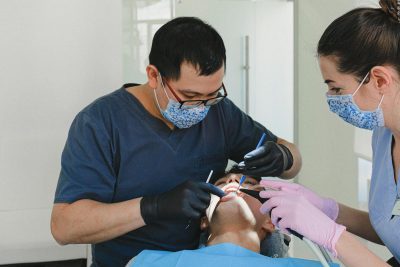
 Dental visits can feel impossible when you or your child live with complex medical, developmental, or sensory needs. Bright lights, loud sounds, and long procedures can trigger fear, pain, or shutdown. Sedation dentistry offers another path. It calms the body and mind so you can get needed care without panic or struggle. This approach supports patients with autism, cerebral palsy, chronic illness, severe anxiety, and many other conditions. It protects your safety. It also protects your dignity. In California, you can even receive care at home through a mobile dentist for special needs dental care in San Jose. That option reduces travel stress and hospital visits. It also allows a care team to work in a place that feels safe. This blog explains how sedation works, who it helps, and how you can prepare for a visit with clear, honest expectations.
Why Sedation Dentistry Matters For Special Healthcare Needs
You might avoid dental care because every step feels like a threat. The chair. The buzzing tools. The taste of polish. For many patients with special healthcare needs, these are not small annoyances. They are real triggers that cause panic, meltdowns, or physical pain.
Sedation dentistry changes that experience. It helps when you or your child
- Cannot sit still or keep the mouth open
- Have strong gag reflexes or muscle spasms
- Live with sensory overload from sound, light, or touch
- Have past trauma from medical or dental care
- Need long or complex treatment in one visit
With the right plan, you can receive care in a calmer state. You stay safer. The dentist can work with fewer stops. You leave with less emotional damage.
Types Of Sedation Dentistry You May Be Offered
Dentists use different levels of sedation. Each level fits a different need. A team chooses the safest level for you or your child.
| Sedation type | Conscious or asleep | How it is given | Common use for special needs
|
|---|---|---|---|
| Minimal | Awake and able to respond | Breathing gas through a mask | Mild anxiety, sensory discomfort |
| Moderate | Sleepy but can respond to voice or touch | Oral medicine or IV medicine | Stronger anxiety, trouble staying still |
| Deep | Very sleepy with limited response | IV medicine | Severe fear, movement, or complex care |
| General anesthesia | Fully asleep | IV medicine and airway support | Extensive work, high medical risk |
You and the dentist should talk about what level lines up with your health, age, and past reactions. The National Institute of Dental and Craniofacial Research gives clear guidance on planning care for people with developmental disabilities.
How Sedation Supports Safety And Comfort
Sedation is not only about less fear. It is also about safety and control. When you or your child feel calmer, you are less likely to
- Move suddenly and risk injury from tools
- Bite down on instruments
- Pull IV lines or oxygen masks
- Need to stop treatment halfway through
For some patients, such as those with seizure disorders or movement disorders, steady conditions reduce medical risks. A calm body makes it easier to protect the airway, support breathing, and manage blood pressure.
The dentist and anesthesia team watch heart rate, breathing, and oxygen during the visit. They also track recovery until you are safe to go home. The Centers for Disease Control and Prevention stresses that people with special healthcare needs face higher rates of untreated cavities. Sedation helps close that gap by making treatment possible.
Benefits For Caregivers And Families
Caring for a loved one with special needs already takes strength. Dental visits can feel like one more battle. Sedation can ease that load.
With a good plan you gain
- Shorter visits with more work done at once
- Less fighting, restraint, or emotional harm
- Lower risk of emergency room visits for dental pain
- More trust between you, your loved one, and the care team
You can focus on support instead of control. You can hold a hand, speak calm words, and stay present. That shift matters for your own mental health.
What To Share With The Dentist Before Sedation
Honest information keeps you safe. Before any sedated visit, tell the dentist and anesthesia team about
- All medical diagnoses and surgeries
- All medicines, vitamins, and herbal products
- Any past reactions to anesthesia or sedation
- Feeding issues, choking, or sleep apnea
- Seizures or heart and lung problems
- Behavior triggers and calming tools that help
Bring medical records and contact numbers for other doctors. Ask if your primary doctor or specialist should give written clearance. This is common for patients with heart disease, lung disease, or complex neurologic conditions.
How To Prepare For A Sedated Dental Visit
Good preparation lowers stress for you and your loved one. A clear plan often includes three steps.
First, follow fasting instructions. You may need to stop food and some liquids several hours before the visit. This protects the airway and lowers the risk of vomiting.
Second, plan transportation. You or your child will not be safe to drive after most types of sedation. Arrange a trusted adult to stay the whole visit and ride home with you.
Third, bring comfort items. A favorite blanket, headphones, or toy can help during check in and recovery. You can also bring a simple schedule or social story if your child uses them.
Choosing A Sedation Dentist For Special Healthcare Needs
Not every dentist has training for special healthcare needs. When you call an office, ask three key questions.
- What experience do you have with patients who share my or my child’s diagnosis
- Where is sedation given, such as clinic or hospital
- Who provides and monitors the sedation
Request a pre visit meeting. Ask to walk through the steps from check in to discharge. Ask how the team handles sensory needs, communication aids, and behavior plans. For some families, a mobile service reduces stress. Care at home can feel less harsh and may prevent meltdowns in crowded waiting rooms.
Moving Toward Steady Oral Health
Sedation dentistry is not a luxury. It is a practical tool that gives access to care that many people would otherwise miss. When you use it with planning and medical guidance, sedation can
- Stop pain that has gone on for years
- Prevent infections that can spread to the body
- Support eating, speech, and sleep
- Build trust with health care settings
You deserve dental care that respects your body and your mind. Your loved one deserves care that does not rely on fear or force. Sedation dentistry, paired with a skilled team, can turn a frightening visit into a safer, calmer step toward health.