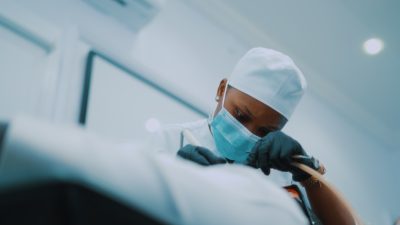
 Technology is changing how you experience family and cosmetic dental care. You now see faster visits, clearer answers, and less fear in the chair. Digital scans replace sticky molds. Clear images show exactly what is happening in your mouth. You and your dentist can plan treatment together with no guesswork. Cosmetic care also looks different. You can see a preview of your smile before you start. Teeth whitening, veneers, and aligners use tools that protect your time and your comfort. As a patient, you gain more control and trust. You know what you are getting, how long it will take, and what it will cost. A Far Rockaway dentist using current tools can spot problems early and protect healthy teeth. This change is not a trend. It is a new standard for care that respects your time, your budget, and your courage to sit in the chair.
How Digital Tools Change Your Checkups
Routine visits feel different when your dentist uses current tools. You spend less time in the chair. You leave with clear plans instead of doubt.
Key changes include:
- Digital X rays that use less radiation and show clear images on a screen
- Intraoral cameras that show real pictures of each tooth
- Electronic records that track your health over time
The Centers for Disease Control and Prevention explains that strong oral health supports your heart, lungs, and daily life. When your dentist uses digital tools, problems show up earlier. You avoid sudden pain and rushed treatment. You also see what your dentist sees, which builds trust.
From Messy Molds To Clean Digital Scans
Old style molds often caused gagging and stress. Thick paste sat in your mouth and left you unsure of the result. Today many offices use digital scanners for crowns, bridges, and clear aligners.
With a scanner, your dentist moves a small wand around your teeth. A 3D image appears on the screen. You can watch each tooth appear. The process feels simple and clear.
Digital scans help you because they:
- Remove the need for trays filled with paste
- Reduce the number of visits needed for a crown or veneer
- Help labs create restorations that fit on the first try
This means fewer repeat shots and fewer bite tests. You step out sooner and feel less worn out.
Technology In Cosmetic Dental Care
Cosmetic care affects how you feel when you look in the mirror. New tools help you see choices before you commit. That reduces regret and stress.
Current cosmetic tools include:
- Smile design software that shows a preview of whitening, bonding, or veneers
- Laser tools that shape gums with less bleeding and faster healing
- 3D printed mock ups that let you “test drive” a new smile
You can review several options and costs. You can ask hard questions. You can choose what fits your life, not what feels pushed on you.
Family Care: What Changes For Children And Older Adults
Technology does not only help cosmetic care. It also supports each age in your family.
For children, digital tools can:
- Shorten visits so they stay calm
- Use smaller X ray doses
- Show pictures that help teach brushing and flossing
For older adults, new tools can:
- Help design dentures that fit better
- Plan implants with more accuracy
- Track bone changes over time
The National Institute of Dental and Craniofacial Research shows that tooth loss and gum disease rise with age. Careful use of digital images and planning tools helps your dentist protect the teeth you still have and replace missing ones in a safe way.
Comparison: Traditional Care And Technology Assisted Care
The table below compares common parts of dental care. It shows how technology changes your visit.
| Type of Care | Traditional Method | Technology Assisted Method | What You Experience
|
|---|---|---|---|
| X rays | Film on small cardboard tabs | Digital sensors and on screen images | Less radiation. Faster results. Easier retakes if needed. |
| Impressions | Paste filled trays for several minutes | Handheld 3D scanner | No sticky paste. Shorter time in the chair. |
| Treatment planning | Paper charts and 2D X rays | 3D scans and digital planning software | Clear visuals. More accurate plans. Fewer surprises. |
| Cosmetic preview | Verbal description and simple photos | Smile design software and mock ups | See likely results. Choose with more confidence. |
| Gum treatment | Scalpel and sutures | Soft tissue laser | Less bleeding. Shorter healing. Less discomfort. |
Safety, Cost, And Your Peace Of Mind
Technology can raise hard questions about safety and cost. You deserve clear answers.
On safety, digital tools often lower risk. Digital X rays use less radiation. Lasers reduce bleeding. Guided implant surgery uses 3D images to avoid nerves and sinuses. You still need an honest dentist who follows science. Technology supports that care. It does not replace training or ethics.
On cost, some tools increase the price of a single visit. Yet they can reduce long term costs. Early detection means smaller fillings instead of root canals. Accurate crowns mean fewer remakes and fewer missed workdays. Good planning for implants and dentures means fewer repairs.
Peace of mind comes from clear information. When you see your own images and your plan on a screen, you can ask direct questions and get direct answers.
How To Talk With Your Dentist About Technology
You do not need to know every device name. You only need to ask clear questions that protect your body and your wallet.
You can ask:
- What tools will you use during this visit
- How do these tools change my safety, comfort, or cost
- Can you show me my X rays or scans and explain what you see
- Are there simpler options that still meet my needs
Honest answers show respect. If you feel rushed or confused, you can pause and request more explanation. Your mouth is part of your body. Your consent matters.
Taking The Next Step For Your Family
Technology will keep changing care. Your goal stays the same. You want a mouth that lets you eat, speak, and smile without pain or shame.
You protect your family when you:
- Schedule regular checkups and cleanings
- Ask what digital tools your dentist uses and why
- Weigh benefits and costs before agreeing to cosmetic work
Each new tool is only as strong as the person who uses it. When you choose a dentist who respects your time, your budget, and your fears, technology becomes a shield instead of a threat. You and your dentist can use these tools together to guard your health and support a smile you trust in every room you enter.