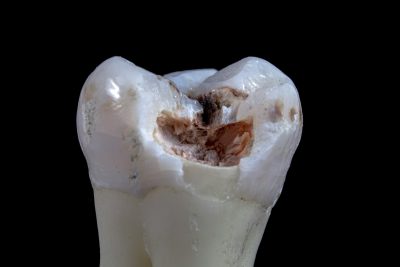
 Many people dread the thought of cavities. Yet, dentists use smart tools to prevent them. When you visit a South San Jose dentist, you can expect the best in cavity prevention. To help you keep a healthy smile, dentists rely on three essential tools. Fluoride treatments act as a shield for your teeth. They protect against harmful acids that cause decay. Dental sealants cover and protect the deep grooves in your molars where cavities often form. Regular cleanings are also crucial. They remove plaque and tartar that brushing alone cannot handle. These three tools work together to stop cavities before they start. Understanding these methods gives you the power to make smart choices for your dental health. With the right care, you can stay ahead of cavities and keep your teeth strong. So, next time you visit your dentist, ask about these preventive tools. Your smile will thank you.
Fluoride Treatments: Shield Your Teeth
Fluoride is a mineral that strengthens tooth enamel. It makes teeth more resistant to decay. Dentists apply fluoride directly to your teeth in a concentrated form. This quick treatment is painless and effective. By increasing the mineral content in your enamel, fluoride helps stop the early stages of decay. The Centers for Disease Control and Prevention (CDC) supports fluoride’s benefits for preventing cavities, especially in children.
Fluoride treatments come in various forms. These include gels, varnishes, and foams. Dentists recommend them based on your specific needs. This flexibility makes fluoride treatments a valuable tool in preventing cavities for individuals of all ages.
Dental Sealants: Protect the Grooves
Molars have natural grooves that can trap food particles. These grooves are tough to clean, even with diligent brushing. Dental sealants provide a barrier over these grooves. Made from thin, plastic coatings, sealants are applied in a simple process. They bond quickly and offer lasting protection.
Sealants are most effective when applied to children’s newly erupted molars. However, they also benefit adults who are prone to cavities. The National Institute of Dental and Craniofacial Research (NIDCR) highlights their success in significantly reducing cavity risk.
| Prevention Tool | Method | Key Benefit |
|---|---|---|
| Fluoride Treatments | Mineral Application | Strengthens Enamel |
| Dental Sealants | Thin Coatings | Protects Grooves |
| Regular Cleanings | Professional Cleaning | Removes Plaque |
Regular Cleanings: Essential Maintenance
Routine professional cleanings are a cornerstone of dental care. Brushing and flossing at home are important. Yet, they can’t remove all plaque and tartar. Professional cleanings reach these hidden areas. They help prevent cavities and keep your gums healthy.
During a cleaning, dental hygienists use special tools. They meticulously clean your teeth and gums. This process involves scaling to remove tartar and polishing to give your teeth a smooth surface. Cleanings also allow dental professionals to spot early signs of decay or other issues.
Conclusion
Staying proactive in dental care reduces cavity risk significantly. By understanding these key preventive tools, you can make informed decisions about your oral health. Fluoride treatments, dental sealants, and regular cleanings work in harmony. They offer a robust defense against cavities.
Visiting your dentist regularly ensures these tools are used effectively. Your dentist will tailor recommendations to fit your needs. This approach helps you maintain strong and healthy teeth throughout your life. Remember, prevention is the best cure for cavities. Embrace these tools and enjoy a cavity-free smile.