
 You worry about your teeth. You worry about your child’s smile. You worry about pain that shows up at night and ruins your sleep. A trusted family dentist can ease that stress fast. Many common problems do not need a long wait or complex treatment. Instead, quick visits often bring clear answers and simple relief. A dentist in Kalihi can clean stubborn plaque, calm sharp tooth pain, fix a broken filling, treat bleeding gums, and check unusual spots in your mouth. Each concern feels different, yet the first step stays the same. You call, you share your concern, and you get a plan that fits your life. This blog explains five common dental concerns that family dentists handle every day. It also shows what you can expect at each visit, so you feel prepared, steady, and in control of your care.
1. Toothaches and sudden pain
Tooth pain can stop you. You may feel a sharp jab when you chew or a dull throb that spreads into your jaw. You may also feel heat or cold more than before. A family dentist sees this every day and can act fast.
At your visit, the dentist will
- Ask when the pain started and what makes it worse
- Look at the tooth and gums for swelling or cracks
- Take an X ray if needed
Then you get a clear plan. You may need a small filling, a deep cleaning, a root canal, or sometimes an extraction. Many toothaches come from untreated decay or gum infection. The Centers for Disease Control and Prevention explains that untreated cavities are common in both children and adults. Quick care lowers the chance of more pain and higher cost later.
2. Cavities and early decay
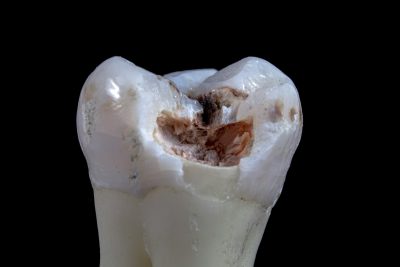
Cavities start small. You may not feel anything at first. You might only see a light spot or dark stain. A family dentist can spot early decay and treat it before it grows.
During a checkup, the dentist will
- Check each tooth for soft spots
- Use X-rays to see between teeth
- Talk about your eating and brushing habits
Early decay often needs a small filling. This visit is short. You get numbed, the dentist removes the decay, and fills the space. You leave the office able to eat and speak as normal after the numb feeling fades.
The National Institute of Dental and Craniofacial Research reports that most adults have had decay. Fast treatment keeps the damage from reaching the nerve.
3. Bleeding gums and bad breath
Gums that bleed when you brush or floss point to early gum disease. You may also notice bad breath that does not fade after brushing. Many people ignore this. You do not have to. A family dentist can treat early gum disease with simple steps.
At the visit, the team will
- Measure the spaces between your teeth and gums
- Check for redness, swelling, and loose teeth
- Review how you brush and floss
Treatment often includes a deeper cleaning called scaling and root planing. The dentist or hygienist removes hardened plaque from under the gum line. You may also get a rinse or gel with medicine. Early gum disease often improves within weeks if you keep up home care.
4. Chipped, cracked, or broken teeth
A fall, a bite on a hard food, or grinding at night can chip or crack a tooth. You may feel a sharp edge on your tongue or see a missing piece in the mirror. You may also feel sudden pain with cold drinks.
A family dentist can usually fix this in one or two visits. The choice depends on how many teeth you lost. You may need
- Bonding using tooth colored resin
- A crown that covers the tooth
- A veneer on a front tooth
Quick repair protects the tooth from deeper fracture or infection. It also helps you feel less self-conscious when you smile or talk.
5. Sensitivity to hot or cold
Sensitive teeth can change how you eat and drink. You might avoid ice water or hot soup. You might feel a quick shock every time you breathe in cold air through your mouth.
Common causes include
- Worn enamel from brushing too hard
- Receding gums that expose the root
- Recent whitening treatment
- Small cracks or early decay
Your dentist can often ease this fast. You may get a special fluoride treatment in the office. You may also receive a toothpaste for sensitivity and coaching on gentle brushing. If the cause is a crack or decay, the dentist will treat that first. Many people feel clear relief within days.
Quick concern guide
| Concern | Common signs | Likely quick response | Time to call
|
|---|---|---|---|
| Toothache | Throbbing pain, swelling, pain at night | Exam, X ray, filling or root canal, pain relief | Same day or next day |
| Cavity | Dark spot, food catching, mild ache | Exam, X ray, small filling | Within a week |
| Bleeding gums | Blood on toothbrush, bad breath | Deep cleaning, home care plan | Within two weeks |
| Chipped tooth | Sharp edge, visible chip, sensitivity | Bonding, veneer, or crown | Same day if painful |
| Sensitivity | Pain with hot or cold, air | Fluoride, special toothpaste, repair if needed | Within one to two weeks |
How to act fast and stay ahead
Quick care starts with one action. You reach out as soon as you notice a change. Do not wait for pain to grow. Do not wait for a small chip to turn into a break. You can
- Call your dentist and explain your main concern in simple words
- Ask for the first open visit and share if the pain wakes you up
- Follow the home care steps you receive after each visit
Regular cleanings twice a year make these visits shorter and easier. The dentist can catch problems early and treat them before they turn into emergencies. You gain steady control over your mouth and your peace of mind.