
 You might be here because your gums bleed when you brush, or a tooth feels a little loose, or your dentist mentioned the word “periodontitis” and your mind went straight to worst case scenarios. Maybe you have already lost a tooth and you are wondering if dental implants are really as strong as people say, and whether you should see an experienced implant specialist in Woodbridge, VA. It can feel like a lot, especially when you are trying to protect your health and your smile at the same time.
When gum disease and missing teeth enter the picture, life often splits into a “before” and an “after.” Before, you ate what you wanted, smiled without thinking, and brushed on autopilot. After, you might avoid certain foods, hide your teeth in photos, or worry about long term health issues. That worry is very real, and it deserves respect, not dismissal.
The good news is that periodontics and implant dentistry offer clear, structured paths forward. In simple terms, there are four common groups of treatments. Non surgical gum therapy to control infection. Surgical periodontal treatment to rebuild and protect damaged support structures. Dental implants to replace missing teeth. Maintenance care to keep everything stable once it is treated. Understanding these options can help you move from stress and confusion to a calmer, more informed place.
What is really going on with your gums and teeth right now?
Gum problems often start quietly. A little bleeding. Slight puffiness. Maybe some bad breath that does not go away. Many people assume it is “just brushing too hard” or “not flossing enough” and try to ignore it. Over time, though, plaque hardens into tartar under the gums, bacteria trigger inflammation, and the bone that holds your teeth starts to melt away.
That is what periodontitis means. It is not just sore gums. It is ongoing damage to the support system of your teeth. The American Dental Association explains that periodontitis can lead to tooth loss and has been linked with other health conditions, which is why early treatment matters. You can read more about that process in this overview of periodontitis from the ADA.
Because of this, you might feel caught between fear and denial. You do not want to overreact, but you also do not want to wait until things get worse. So where does that leave you? It starts with understanding the four common treatments a periodontist and implant dentist can offer and how they fit together.
How can non surgical periodontal treatments help you avoid bigger problems?
When gum disease is caught early or is moderate, your specialist will often begin with non surgical periodontal therapy. These treatments focus on removing the bacterial buildup that triggers inflammation, so your gums can reattach and heal.
The American Academy of Periodontology describes several common options in its section on non surgical periodontal treatments. The most familiar is scaling and root planing, sometimes called “deep cleaning.” In this procedure, the clinician cleans under the gumline to remove tartar, then smooths the root surfaces so plaque is less likely to stick again.
In some cases, your periodontist might recommend local antibiotics placed directly into deep gum pockets, or antiseptic rinses, to reinforce the cleaning. For many people, this level of care, combined with improved home hygiene, can control the disease and prevent the need for more advanced surgery.
Imagine you have early bone loss around a few back teeth. They feel fine, but your dentist sees deeper gum pockets. With non surgical treatment and careful follow up, those pockets can often shrink, your gums can become firmer, and you can avoid more invasive therapy. This is how modern gum disease and implant care tries to act early instead of waiting for a crisis.
What if non surgical care is not enough for your gum disease?
Sometimes the damage from periodontitis is more advanced. Deep pockets, bone defects, or areas that are impossible to clean with instruments alone may remain. At that point, your periodontist may suggest surgical periodontal treatment. The goal is to access the roots clearly, reduce pocket depth, and when possible, rebuild lost support.
Common surgical options include flap surgery, where the gums are gently moved aside to clean the roots and reshape damaged bone, and regenerative procedures that use bone grafts or special proteins to help the body regrow supporting structures. There are also cosmetic gum surgeries that correct a “gummy smile” or cover exposed roots.
The American Academy of Periodontology provides an overview of these periodontal treatments and procedures, which you can review in its guide on periodontal treatments and procedures. If you have been told you have deep pockets that have not responded to cleaning, or you see your gums pulling back from your teeth, these options may be part of your conversation with your specialist.
Surgical treatment can sound intimidating, yet many patients are surprised at how manageable the process is, especially with modern techniques and numbing options. The larger emotional weight often comes from the sense that “things have gone too far.” It is important to remember that choosing treatment now is a way to protect the teeth you still have and to reduce the risk of pain and infection later.
Where do dental implants fit into periodontics and implant dentistry?
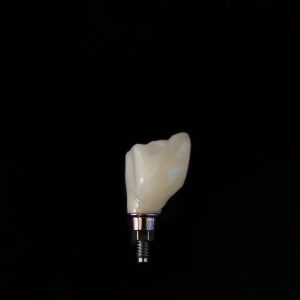
When a tooth is missing or cannot be saved, dental implants come into the picture. A dental implant is a small titanium post that is placed in the jaw to act like a new root. Once it heals, a crown, bridge, or denture can be attached to restore your chewing and appearance.
Implants are a central part of modern periodontics and implant dentistry because they connect directly to the health of your gums and bone. If you have active gum disease, it needs to be managed before implant placement. If you have lost bone in the area, bone grafting may be needed to create a solid foundation.
For many people, implants can feel and function very close to natural teeth. They help you chew with confidence, reduce the need to cut down neighboring teeth for a bridge, and help preserve jawbone over time. Emotionally, they often restore a sense of normalcy. You can order what you want at a restaurant again. You can speak and smile without worrying that a removable denture will shift.
Of course, implants are an investment in time and money, and they are not right for every person or every situation. This is where a clear comparison of options can help you sort out what matters most to you.
How do these treatments compare in cost, comfort, and long term impact?
When you weigh your choices, you are likely thinking about three things. How much will it cost. How uncomfortable will it be. How long will it last. No treatment is perfect, but each has its place. The table below offers a general comparison to help you frame your questions for your periodontist.
| Treatment Type | Typical Purpose | Relative Cost | Comfort & Recovery | Longevity / Impact |
|---|---|---|---|---|
| Non surgical periodontal therapy (scaling and root planing) | Control early to moderate gum disease | Lower | Mild to moderate soreness for a few days | Can stabilize gums if followed by good home care and regular maintenance |
| Surgical periodontal treatment | Treat advanced gum disease and bone loss | Moderate to higher | More post treatment tenderness and swelling, usually manageable with medication | Reduces pocket depth, can extend the life of compromised teeth |
| Dental implant with crown | Replace a missing or unsalvageable tooth | Higher per tooth | Minor to moderate discomfort after surgery, gradual healing over weeks to months | Long lasting replacement, strong chewing function, helps preserve bone |
| Ongoing periodontal maintenance | Prevent relapse after active treatment | Spread out over time | Similar to thorough cleanings every 3 to 4 months | Protects your investment in previous treatments and helps avoid future surgery |
These are general patterns. Your own experience depends on your medical history, the severity of your condition, and the skill and communication style of your care team. The key is that you do not have to choose blindly. You can ask for clear explanations of why a treatment is recommended and what alternatives exist.
What can you do right now to move forward with more confidence?
1. Get a focused periodontal evaluation
If you have not seen a specialist yet, ask your general dentist for a referral to a periodontist. During this visit, expect a careful measurement of your gum pockets, an assessment of bone levels on X rays, and a review of your medical history. Bring a written list of questions, including what stage of gum disease you have, what the priorities are, and what a step by step plan might look like.
2. Stabilize your daily home care routine
Professional treatment works best when it is supported by consistent habits at home. Brush twice a day with a soft brush and fluoride toothpaste. Clean between your teeth daily using floss, interdental brushes, or a water flosser, depending on what your periodontist recommends. If you smoke, consider support to cut down or quit, since smoking is strongly linked with worse periodontal outcomes.
3. Clarify costs, timing, and staging of care
Financial stress can be just as heavy as health stress. Ask your dental team to outline a phased treatment plan for your periodontal and implant care. This might start with non surgical therapy, then reassessment, then any needed surgery, and finally implant placement if appropriate. Request written estimates for each phase and ask about insurance coverage or payment options. When you know what to expect, it becomes easier to make decisions that fit both your health needs and your budget.
How can you feel more at peace with your next steps?
Gum disease and tooth loss can make you feel like you are losing control. The truth is that by learning about periodontal and implant treatments, asking clear questions, and taking one step at a time, you are already moving in the right direction. Non surgical therapy, periodontal surgery, dental implants, and maintenance care are not abstract concepts. They are tools that a skilled periodontist can use to help you keep your mouth as healthy and comfortable as possible.
You do not need to solve everything in one day. Start with an honest conversation with a trusted dental professional. Ask where you are today, what the realistic options are, and what they would do if they were in your situation. From there, you can choose a path that respects both your health and your peace of mind.