
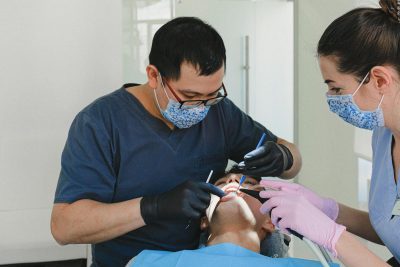
 You might be feeling a little guilty every time you think about the dentist. Maybe you cancel appointments, or you only go when something hurts, or you are trying to figure out if it really matters who you see, as long as someone can fix the problem. It is a familiar pattern. Life gets busy, teeth are not screaming for attention, and suddenly years have passed since your last routine visit, and now you’re wondering if you might even need dental implants in Chelsea NYC.
Because of this, you might wonder if having one trusted general dentist really changes anything. The short answer is yes. Seeing the same dentist on a regular schedule can protect your health, your wallet, and your peace of mind. It means earlier detection of problems, fewer surprises, more comfortable visits, and care that actually fits who you are, not just what your X rays show.
In other words, when you have an ongoing relationship with a general dentist and you keep up with regular checkups and cleanings, you are not just “getting your teeth cleaned.” You are building a steady line of defense against cavities, gum disease, and even some conditions that affect your whole body. That is the bigger story behind the 5 benefits you are about to see.
Why does sticking with one general dentist matter so much?
Think about what usually happens without consistent care. A tooth starts to feel sensitive, you ignore it, then one day the pain spikes and you are suddenly in an urgent care situation. You are anxious, you do not know the dentist, and you feel rushed into decisions because you just want the pain to stop. The visit is stressful and expensive, and it feels like everything is happening to you, not with you.
Now compare that to a long term relationship with one trusted general dentist. This dentist has seen your mouth over time. They know which teeth have old fillings, where your gums tend to bleed, how often you grind at night, and how anxious you feel in the chair. They can spot small changes that a new provider might miss, because they remember what “normal” looks like for you.
So where does that leave you? It means the same routine appointment can either be a rushed, one off visit with someone new, or it can be part of a steady pattern of care with a dentist who knows you and your history. That difference shows up in at least five important ways.
Benefit 1: Earlier detection of problems before they turn into emergencies
Regular dental exams are not just quick looks at your teeth. They are structured health checks that can find problems long before you feel pain. According to MedlinePlus on dental exams, a routine visit often includes checking your teeth, gums, bite, jaw joints, and sometimes even screening for oral cancer.
When the same dentist sees you over and over, they can compare what they see today with what they saw six months or a year ago. A tiny shadow on an X ray, a small pocket in your gums, or a subtle change in your bite can signal trouble early. Caught at that stage, many issues can be treated with simple fillings or focused cleanings instead of root canals, extractions, or surgery.
Without that continuity, you often lose the “before and after” perspective. A new dentist might see a problem only after it has grown big enough to be obvious. By then, you may be looking at more time in the chair and a larger bill.
Benefit 2: Lower long term costs and fewer financial surprises
It is easy to think that skipping regular checkups saves money. No appointment, no bill. The hard truth is that avoiding preventive care often leads to bigger, more expensive treatment down the road. A small cavity that could have been filled quickly can grow into a tooth that needs a root canal and crown. Gum irritation that could have been managed early can turn into periodontal disease that requires ongoing deep cleanings.
When you see the same general dentist regularly, they can help you plan. They can watch risk areas and talk honestly about what might need work in the future. That gives you time to budget, use your insurance wisely, and spread out treatment when possible instead of paying for everything in a crisis.
This kind of steady, preventive care often costs less over several years than a pattern of ignoring problems until they become emergencies. It also reduces the emotional cost of surprise pain and rushed decisions.
Benefit 3: Less anxiety and more comfort in the chair
If you feel nervous before dental visits, you are not alone. Many people carry old memories of painful procedures or feeling judged about the state of their teeth. Meeting a new provider each time can increase that anxiety. You have to explain your history again, hope they understand your fears, and trust that they will listen.
When you keep seeing the same dentist, the experience changes. They learn what works for you. Maybe you prefer extra numbing, more explanation before each step, or short breaks during a cleaning. Maybe you need to start with small procedures before tackling bigger work. Over time, your dentist can shape visits around your comfort level.
This familiarity also reduces the emotional distance. You are no longer a stranger in the chair. You are a person your dentist recognizes and remembers. That alone can soften the fear and help you feel more in control.
Benefit 4: Better prevention and education tailored to your real life
Oral health is closely tied to your daily habits. How often you brush and floss, what you eat and drink, whether you smoke, and how your body responds to certain medications all affect your teeth and gums. The CDC explains how oral health connects to overall health, including conditions like diabetes and heart disease.
A general dentist who sees you consistently can offer advice that fits your actual lifestyle instead of giving generic tips. For example, if they know you sip soda throughout the day, they might suggest timing changes and rinsing strategies. If you struggle with dry mouth from medication, they can recommend specific products. If your gums always flare up during certain seasons, they can look for patterns with allergies or stress.
This type of personalized guidance is much easier when a dentist knows you over time. It turns prevention into a shared project, not a lecture you hear once a year and forget.
Benefit 5: Cleaner teeth and healthier gums with consistent professional care
Even with excellent brushing and flossing, some areas in your mouth are hard to reach. Plaque that is not removed can harden into tartar, which a toothbrush cannot handle. Over time this build up can irritate gums, cause bleeding, and lead to gum disease.
Regular cleanings with the same dental team help break this cycle. The UCSF dental cleaning overview describes how professional cleanings remove plaque and tartar, polish teeth, and support gum health. When your hygienist and dentist already know your mouth, they can focus on stubborn spots, track changes, and adjust their approach each visit.
The result is not only a cleaner smile after each appointment. It is a lower risk of gum disease, bad breath, and tooth loss over the years. That is the quiet power of consistent care with one general dentist for ongoing checkups.
How do the benefits compare to “as needed” care or switching dentists often?
It can help to see the difference between regular visits with the same dentist and a more random approach. Here is a simple comparison to make that clearer.
| Approach to dental care | Short term experience | Long term impact on health | Long term impact on cost |
|---|---|---|---|
| Seeing the same general dentist regularly | Predictable visits, growing trust, tailored advice | Earlier problem detection, fewer emergencies, better gum and tooth stability | More preventive costs, but fewer large surprise bills and major procedures |
| Going only when something hurts | Urgent, stressful visits, limited time to discuss options | Higher risk of advanced decay, infections, and tooth loss | Lower costs at first, but more expensive crisis treatments over time |
| Frequently switching dentists | Repeated intake visits, less familiarity with your preferences | Harder to track subtle changes, inconsistent treatment plans | Possible repeated diagnostics and less chance to plan ahead financially |
What can you do right now to get the benefits of a consistent general dentist?
You do not need a perfect dental history to start. You just need a clear next step. Here are three practical moves you can make.
1. Choose one general dentist to be your “home base”
Instead of calling around each time you have a problem, decide that one practice will be your primary dental home. Look for a general dentist who offers routine exams, cleanings, fillings, and basic restorative care. Read reviews, ask people you trust, and pay attention to how the office treats you when you call. You are looking for both skill and a sense that they listen and respect your concerns.
2. Schedule a full exam, even if you feel embarrassed or overdue
If it has been a while, you might worry about being judged. A good dentist is far more interested in where you can go from here than in what you have not done in the past. At your first visit, be honest about any pain, fears, or financial limits. Ask for a clear, step by step plan that separates “urgent now” from “can wait a bit.” This turns an overwhelming situation into a manageable path.
3. Commit to regular checkups and cleanings for the next 12 months
Instead of promising yourself you will “do better” forever, focus on one year. Put your next two visits on the calendar before you leave the office. Treat these appointments like you would any important health visit. Over those 12 months, your dentist can get to know your mouth, fine tune your home care, and address small issues before they grow.
Moving forward with more confidence about your dental care
You do not have to be perfect with your teeth to deserve steady, thoughtful care. You may have missed visits, avoided the phone, or lived with pain longer than you wanted. That is your starting point, not your future. Choosing to see the same general dentist for regular visits is a simple move that can quietly protect your health, lower your stress, and reduce those “why did it get this bad” moments.
The next step is straightforward. Pick one practice to be your dental home, schedule a full exam, and keep that first follow up cleaning. From there, each visit builds on the last, and you can finally feel that your oral health is not an emergency waiting to happen, but something steady and under control.